Over recent months we have had pages and pages of coverage, speculation and comment about the end of the Kier reign and the Coming of Andy Burnham yet hardly any major coverage of an evil that is occurring daily in Afghanistan. Have we really become so parochial? Are we not interested, do we not care about the plight of these girls and women, our sisters in this world? Girls who can now be married even before puberty, women who are not allowed to be educated, go out on the streets and have to be covered from view? In this “be kind” world why is there so little compassion or outrage at what is happening to these women? Is it a general misogyny or is it a fear of being accused of being Islamophobic if we speak out against the Taliban? I am bewildered.
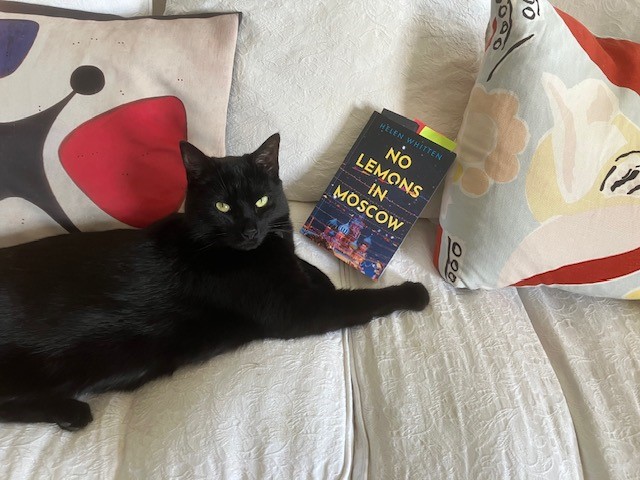
I have been reading Zahra Joya’s book The Vanishing Girl of Kabul. I urge you to read it, to wake up to what life is like under such a regime. The utter cruelty and contempt for women and girls dressed up as religious protection. It is a heartbreaking read and yet also an inspiring story of a girl who had to dress up as a boy in order to be able to continue her schooling and who has become a successful journalist determined to expose the iniquities she and others suffered.
Recently I had a enlightening conversation with an Afghan Uber driver. He spoke movingly about how he and his wife, a doctor, and two small children came to the UK and how tragic this situation is for Afghanistan. As he pointed out, if you educate women, you educate children and society because women still, even when they are working, tend to be the ones who encourage their children to read and write and do their homework. If women are not educated the whole of society suffers and poverty will ultimately be the outcome. Afghan men are already having to send more money home and earn more money because of women being deprived of jobs.
He told me that there are educated and professional women now begging on the street, risking punishment in order to eat. He told me how, without female midwives and doctors, who are no longer allowed to work, women are seen by male doctors who do not have the same experience. Also, that many men do not want their wives to be seen and treated by male doctors and so they go untreated, unsupported.
And yet the UN host representatives of the Taliban and the Iranian Government and the UK is silent in its agreement. We see Amnesty and other charities running major campaigns for other causes – Venezuela, Gaza, Japan’s earthquake, etc – but less about helping these women and girls.
It makes me wonder, if there was a revolution here in the UK and we were overtaken by an Islamist regime that required we women to wear the burqa would the world be equally silent? There are those who say why don’t the women fight back but they must be closing their eyes to what is happening in Iran and Afghanistan when women fight back – the shootings, executions, beheadings, lashes and stonings. How easy is it for women, who are not even allowed to talk to one another in the way they used to be, to fight back against guns?
Of course, this raises the thorny question of how can we help them. Western interference in other states rarely ends well and yet I remember well the pleas of Syrians asking us to go and help them, and the media is happy to post articles on how we must help the Palestinians, so why not the Afghan girls?
It’s difficult to get it right but surely there are ways and surely one is not to host representatives of a country that treats half its population in this abusive manner. Malala Yousafazi has posted a poignant message on Facebook questioning why the EU has invited members of the Taliban to Brussels to discuss a migration deal, without firstly insisting that they address the rights of women, which she describes as gender apartheid. She points out that the EU should surely be protesting against one of the worst human rights crises that exists in the world, just as the UN should not have given the Iranian Government any leadership role in their Human Rights Council. You can donate to Malala’s fund supporting the education and rights of women here https://malala.org
In Zahra Joya’s book The Vanishing Girl of Kabul she writes of how her mother and aunts were unable to read and write and so when she went to vote during the brief ‘democracy’, it was with her thumbprint. If a person is unable to read, they are unable to understand for whom they vote, unable to understand a contract that they might be required to sign that might do them or those they love ill. They are unable to read about other ways of living, other lives, of the freedoms other women in the world experience. If they are unable to go out on the street and talk to people they will not even know what is occurring in the next village, let alone in a country far away.
The women in Afghanistan and Iran never imagined life could really transform to remove their freedoms in the way they have experienced. Don’t let’s sit too complacent in our Western way of life and my goodness let’s value and protect all that we have gained over these centuries.